It is the first question almost every buyer asks, and the honest answer is that it depends on the unit. Used diesel locomotives sell for anything from tens of thousands of dollars for a small industrial switcher to well into six figures for a large road unit in good order.
The more useful question is what moves a particular locomotive up or down that range.
Real reference points
Our own listings give a sense of the spread:
| Unit | Type | Listed price |
|---|---|---|
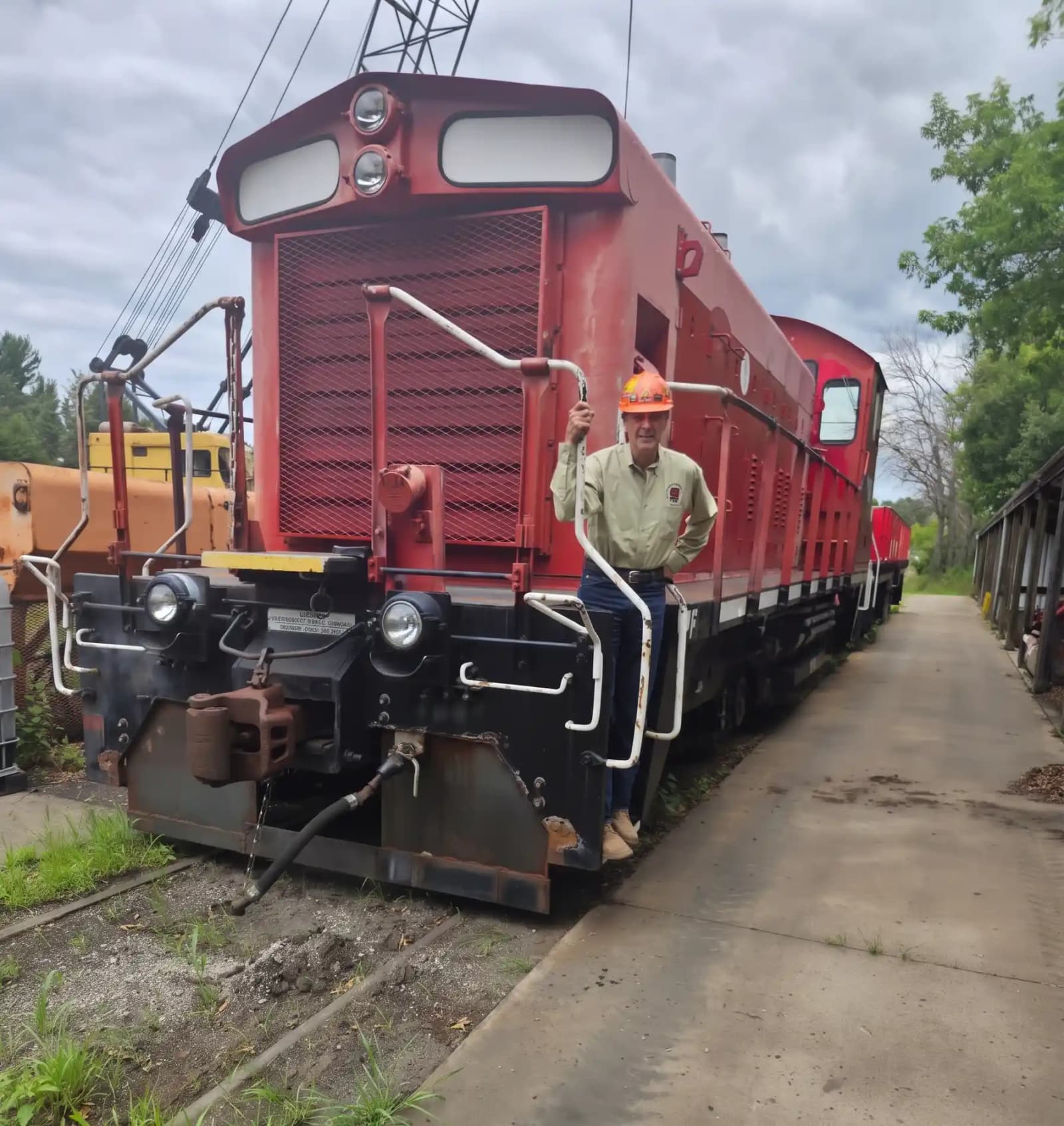
| GE 35-ton | Small industrial switcher | $28,000 |
| EMD GP9 | Four-axle road switcher, 1,750 hp | $148,500 |
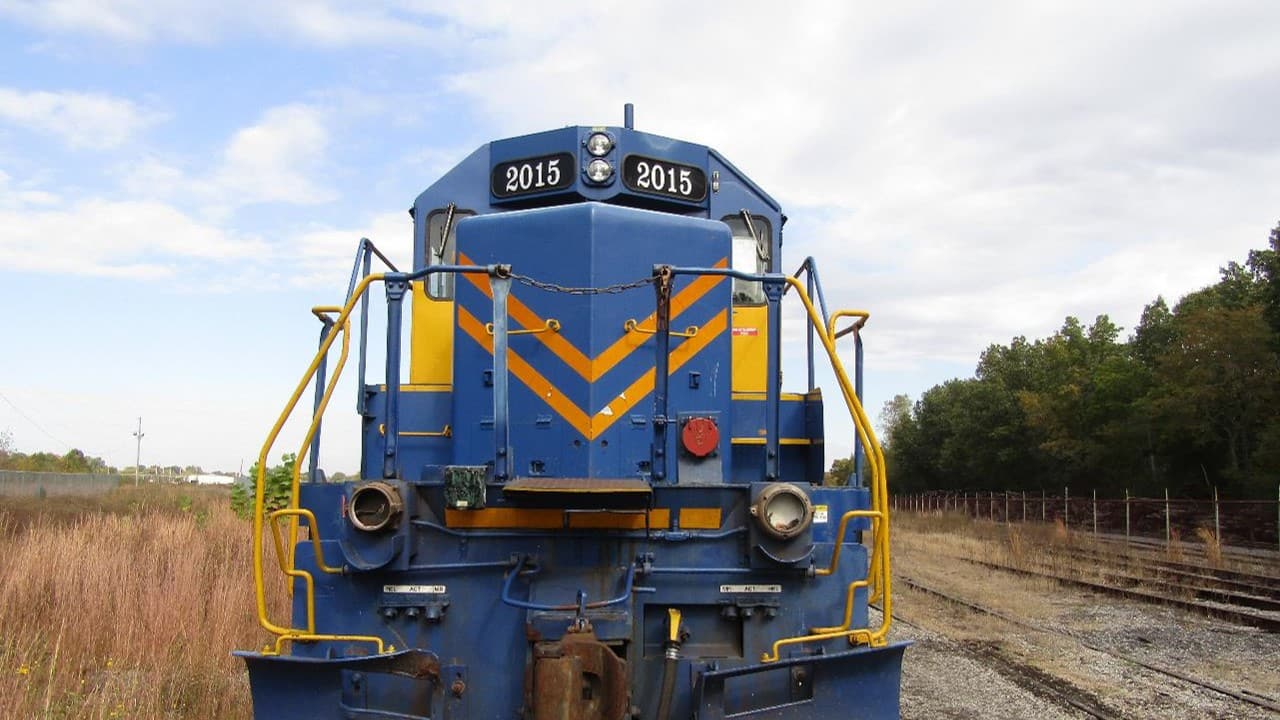
| DLCX 2015, EMD SD40-2 | Six-axle road unit | $235,000 (sold) |
These are single data points, not a price guide. Two units of the same model can differ widely in value depending on the factors below. You can see what is available now on our inventory page.
What drives the price
Model, size and horsepower
Bigger and more powerful units cost more to buy. A six-axle, 3,000 hp road locomotive and a 35-ton plant switcher are different machines for different jobs, and they are priced accordingly. Popular, well supported models such as the EMD GP and SD series also hold their value because parts and know-how are easy to find.
Mechanical condition
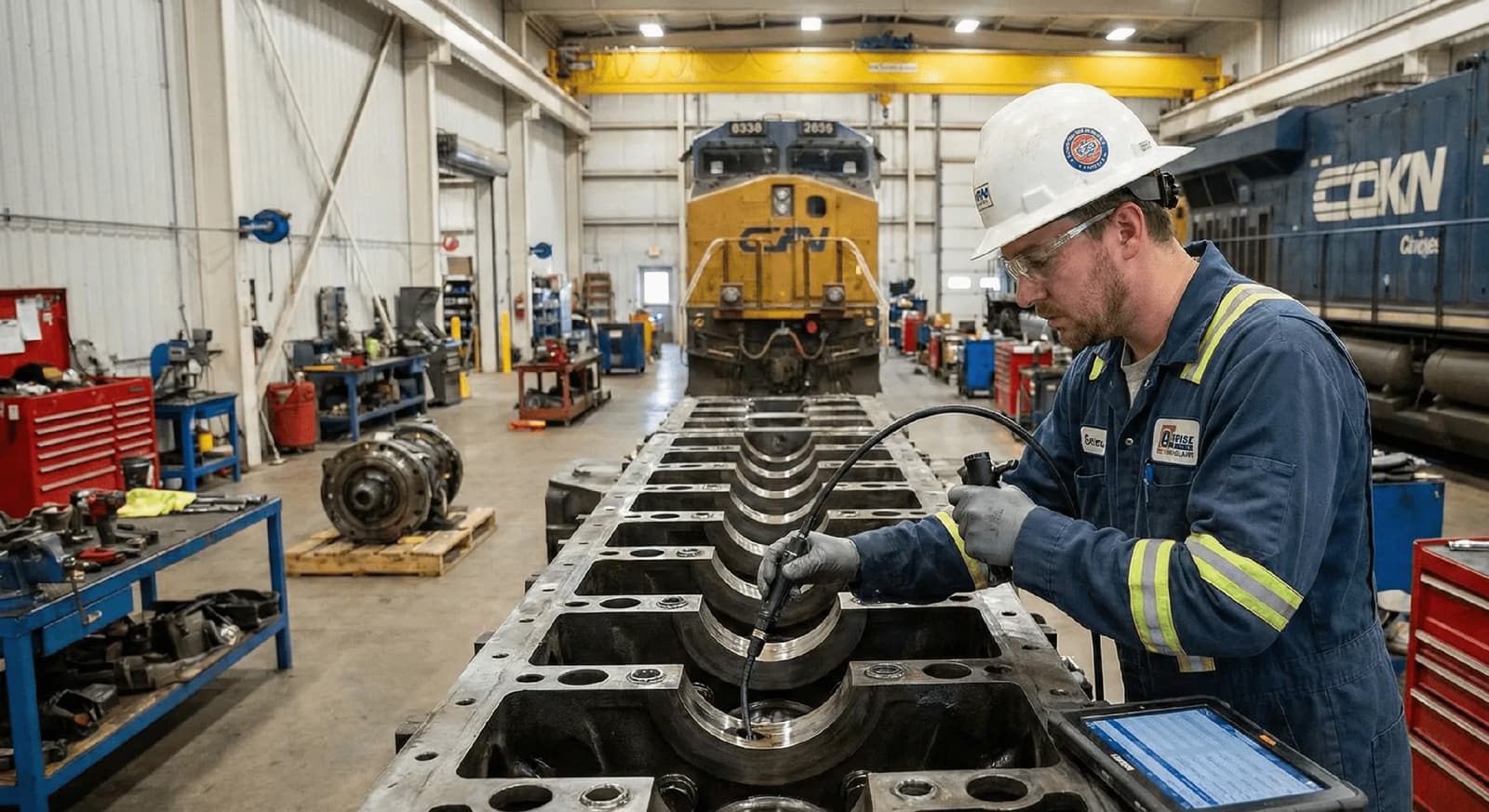
This is where two “identical” locomotives part ways. Time since the last engine overhaul, the state of the traction motors and main generator, wheel and truck condition, and the health of the air brake system all affect value. A unit that passes a load test and comes with records is worth more than one sold as-is from a back track.
Inspection and paperwork
A locomotive with current FRA inspections and clean records can go to work almost immediately. One that has been stored may need inspections and repairs before it can run, and that cost belongs in the price comparison.
Upgrades and equipment
Remote control systems, improved filtration, recent rebuilds and spare parts add value. So do practical extras such as manuals and maintenance history.
Location and transport
Moving a locomotive is a project. A unit that is already near your facility, or on a rail line that connects to you, can cost far less to deliver than one that needs a heavy-haul truck, cranes and permits, or an ocean crossing. Always compare delivered cost, not just the listing price.
Market timing
Demand for motive power rises and falls with freight volumes and industrial activity. Good units sell quickly when the market is busy, which is why we keep an alert list for buyers who want first look at new arrivals.
The real cost of owning a locomotive
The purchase price is the start. Budget for:
- Delivery and set-up, including any loading, unloading and crane work.
- First service before the unit enters regular work.
- Fuel and routine maintenance, which scale with how hard and how often the unit works.
- Required inspections and tests if it runs on the general railroad system.
- Insurance and operator training.
A cheaper unit that needs major work can end up costing more than a well kept one at a higher price. Our buyer’s guide covers what to inspect before you commit.
Buy, lease or sell
If you need power for a season or a single project, leasing can cost far less than buying. And if you have a unit you no longer need, the same market works in your favor: we buy single locomotives and whole fleets, and you can get a firm offer within five business days.
Get a real number
The fastest way to a real price is to tell us what you need. Share the work, the track and your timeline, and we will come back with units that fit and what they will cost delivered to your door. Contact us or call +1 (715) 781-0911.