Grain elevators, plants, transload yards, ports and short lines all have the same basic problem: cars need to move a short distance, safely, on a schedule. A switcher locomotive is usually the most reliable way to do it, and buying the right one comes down to a handful of numbers.
Who buys a switcher
Most of our switcher customers fall into a few groups:
- Industrial plants spotting cars at loading docks and unloading pits.
- Grain and fertilizer facilities building and breaking down unit trains.
- Transload and port operations moving cars between tracks, cranes and storage.
- Short lines that need a yard engine alongside their road power.
Each one is different, but the sizing questions are the same.
Size it by the work
The two figures that decide most switcher purchases are the weight you need to move and the tractive effort the unit can put down.
A loaded freight car can weigh up to 286,000 pounds on today’s heavy-axle cars, so even a short cut of loaded cars adds up fast. On the locomotive side, a common rule of thumb is that a unit can pull, at starting, roughly a quarter of the weight on its driving wheels on clean, dry rail. A 35-ton switcher weighs about 70,000 pounds, which works out to something like 17,500 pounds of starting tractive effort in good conditions.
Then add the track:
- Grades cost about 20 pounds of resistance per ton for every 1% of grade. Five loaded cars up a 1% grade means roughly 14,000 pounds of resistance before you count rolling resistance or curves.
- Curves add drag and wear, and tight curves rule out longer units.
- Wet or icy rail lowers adhesion; sanders help, but plan for your worst day, not your best.
The result is that a small industrial unit can be a perfect fit for a level plant track moving a few cars at a time, and badly undersized for the same number of cars on a grade.
The main classes of switcher
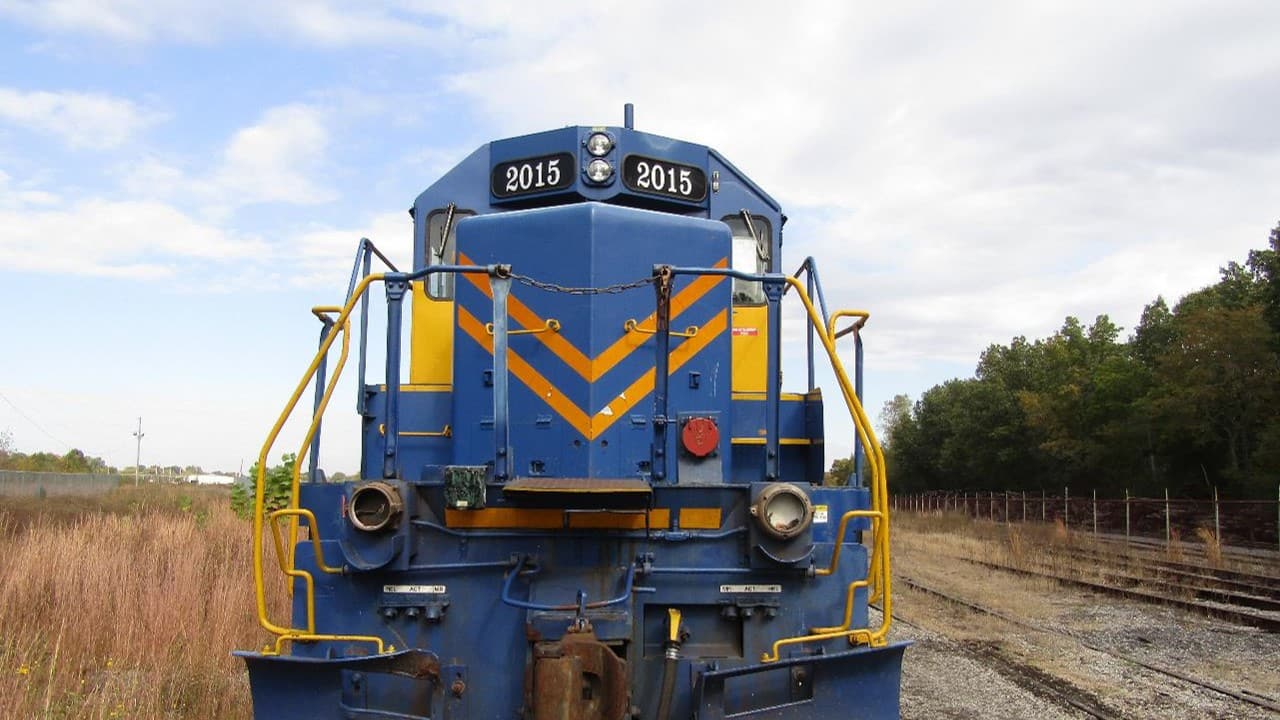
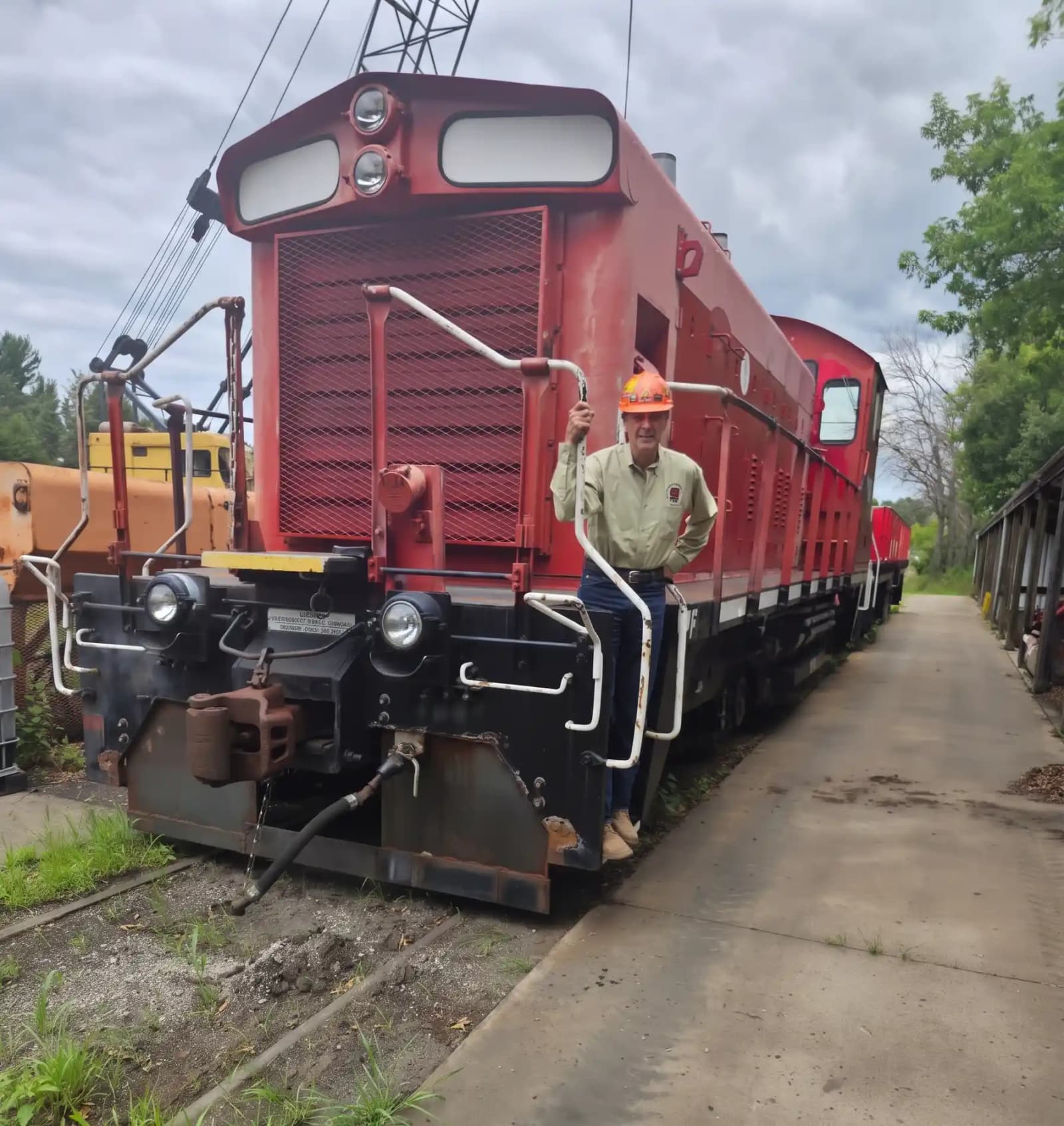
Small industrial units (about 25 to 45 tons). The GE 25-ton through 45-ton family and similar units are compact, easy on light track and inexpensive to buy. They suit low-volume plants with level track. Our current listings include a GE 35-ton switcher of exactly this type.
Mid-size switchers (about 80 to 125 tons). GE 80-ton units and EMD switchers such as the SW900, SW1200, SW1500 and MP15 bring a big step up in weight and horsepower. They handle real cuts of loaded cars and are the workhorses of many industrial yards.
Road switchers working the yard. Four-axle road units such as the EMD GP7 and GP9 are often used as heavy yard engines. They have the weight and power for long cuts and grades, and can run on the road if your operation needs it.
Check your track first
Before you fall for a unit, confirm your track can carry it. Heavier switchers put more load on each axle, and older plant tracks, spurs and bridges sometimes have weight limits well below main-line standards. Clearance at buildings, doors and loading structures matters too. A quick track walk with the seller can save an expensive surprise.
Remote control changes the math
Many industrial switchers today are run by remote control, which lets one operator move the unit from the ground with a clear view of the work. It improves safety, cuts crew requirements and makes a single-person operation practical. We are authorized installers of Hetronic remote control systems and include training with every installation, so a unit can be set up for remote operation before it ships.
Parts and support
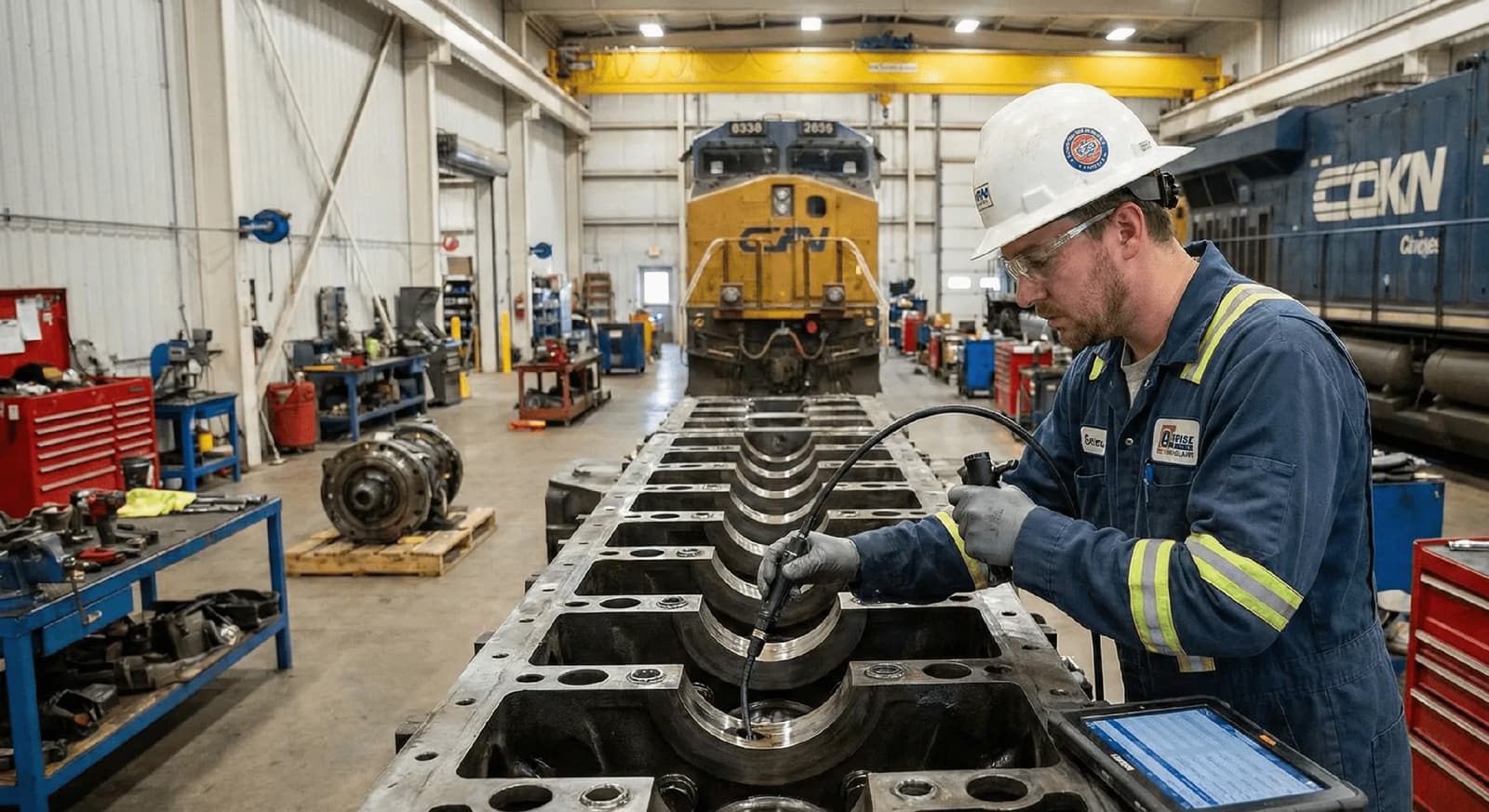
Buy a unit you can keep running. EMD switchers share many components with the large EMD road fleet, so parts and mechanics who know them are easy to find. Small industrial units vary more; many have been repowered over the years, so check the engine make and model and whether parts are readily available. Ask for maintenance records and any spare parts that come with the unit.
Buy or lease
If your need is seasonal or you want to try a unit before committing, leasing can make sense. We offer both sales and leasing, and our lease and sale units are equipped with current safety and efficiency upgrades.
Finding the right switcher
Tell us what you move, how often and over what track, and we will recommend a unit that fits rather than the one we happen to have on hand. Browse locomotives in stock, read our buyer’s guide to used diesel locomotives, or contact us to talk it through.